The Hook: Why Upcycling is the New Global Currency
In the new paradigm of the European circular economy, waste is no longer a cost to be managed, but a strategic asset to be protected. With the latest EU directives banning the destruction of unsold textiles and the imminent roll-out of the Digital Product Passport (DPP), upcycling has evolved from a niche creative trend into a global industrial necessity.
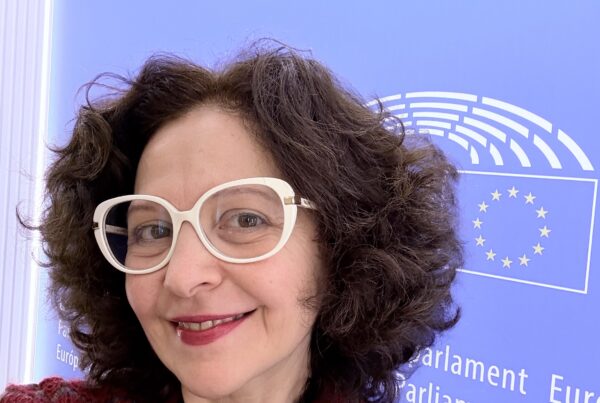
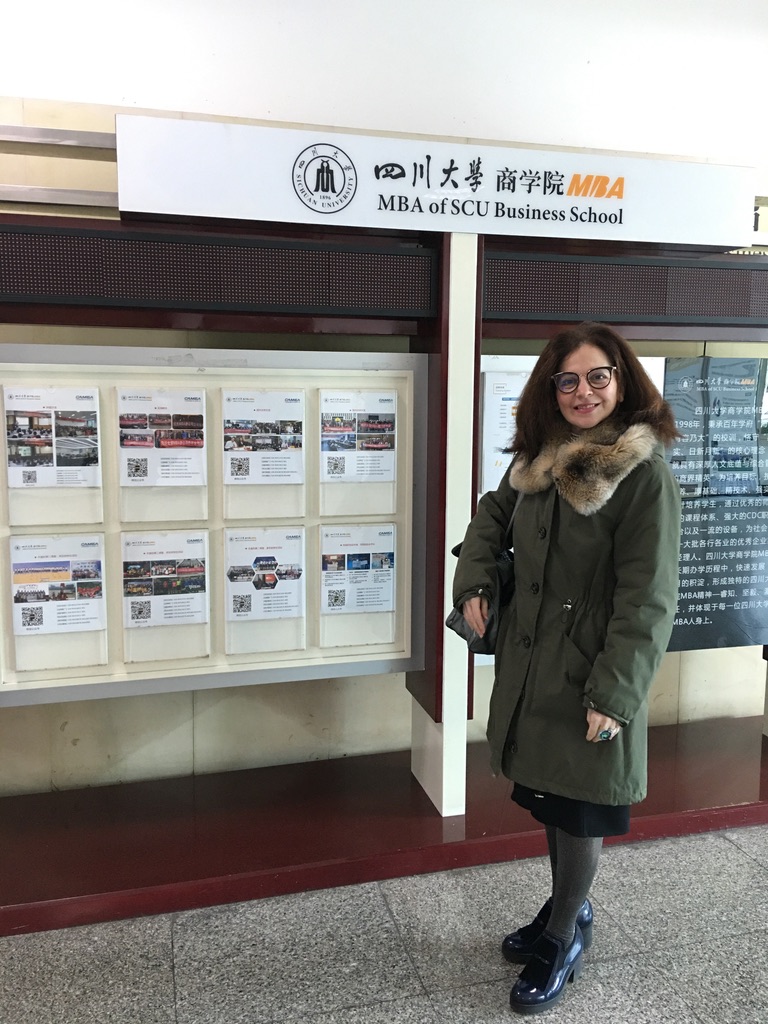
At the heart of my work in Brussels, and through the field missions of our China Desk, I am witnessing the birth of an unprecedented synergy: European excellence in circular design meeting the extraordinary technological scaling power of Chinese innovation hubs. We are not just recycling materials; we are rewriting the rules of the global market within the Horizon Europe framework.
The Strategic Bridge: From Policy to Factory Floor
As the EU tightens its Ecodesign requirements, the pressure on global supply chains is mounting. This is where the “Brussels-Beijing” axis becomes critical. While Europe leads in regulatory standards and R&D for bio-based materials, China is investing heavily in high-tech chemical recycling and automated sorting systems. By integrating Chinese industrial capacity with European ethical and environmental standards, we can transform “fashion upcycling” and “industrial symbiosis” from pilot projects into global market realities. This is the core mission of Pascale Projects: ensuring that circular innovation is both compliant with EU law and scalable on a global level.
Beyond Textiles: The Bio-Economy Frontier
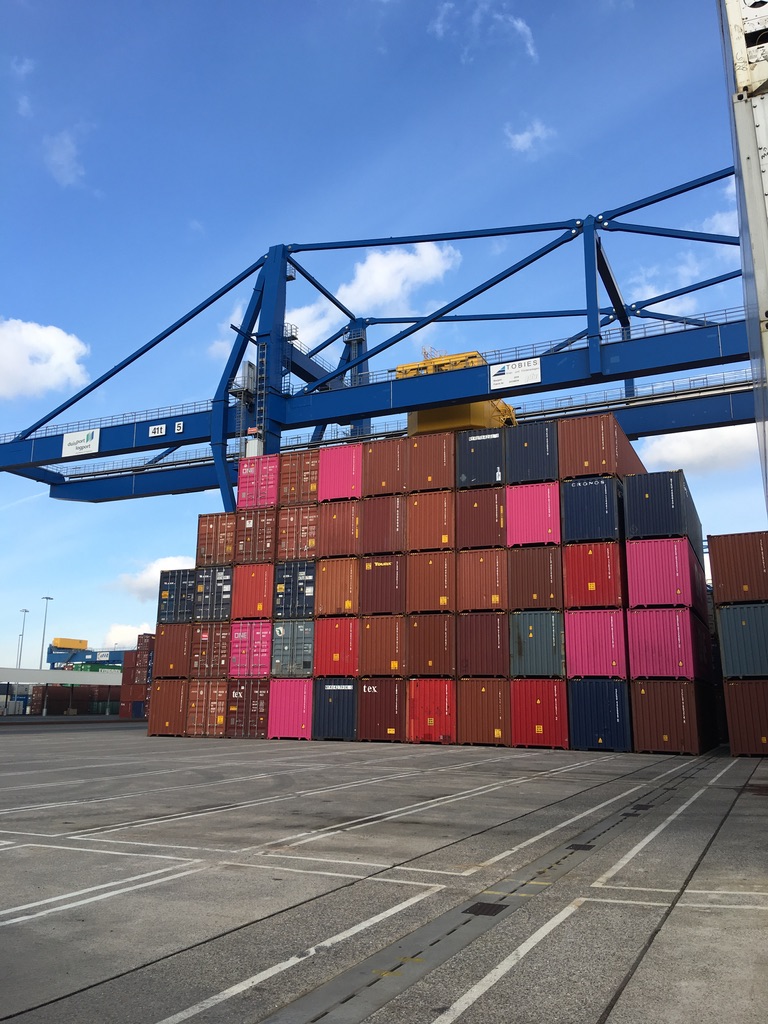
The potential for upcycling extends far beyond the fashion runway. Under Horizon Europe 2026-2027, the focus is shifting toward the Bio-Economy and highvalue recovery of industrial by-products. Whether it is transforming agricultural waste into bio-based construction materials for the Ukraine Reconstruction Hub or implementing Logistics 4.0 to track material lifecycles, the opportunities for cross-border consortia are vast.
Lobbyist’s Insight: The Funding Window
Despite rising geopolitical tensions, the EU’s “Green Deal” and “Clean Industrial Deal” still identify Circular Economy as a key area for international cooperation. In fact, Cluster 6 of Horizon Europe remains one of the few strategic windows where Sino-European collaboration is actively encouraged and co-funded.
Ready to Scale Your Circular Innovation?
Navigating the complexities of international research and EU compliance requires more than just a vision—it requires a presence where decisions are made. [Contact our China Desk today] to explore how we can integrate your upcycling projects into the next wave of European funding and global industrial partnerships.