

Breaking Down Europe’s “Terrible Ten”: Why the Single Market Is at the Top of the Agenda at the European Business Summit
For decades, the Single Market has been the crown jewel of the European Union—a promise of seamless trade, shared standards, and borderless opportunity across 27 nations. Yet, for businesses operating on the ground, the reality often feels far more fragmented.
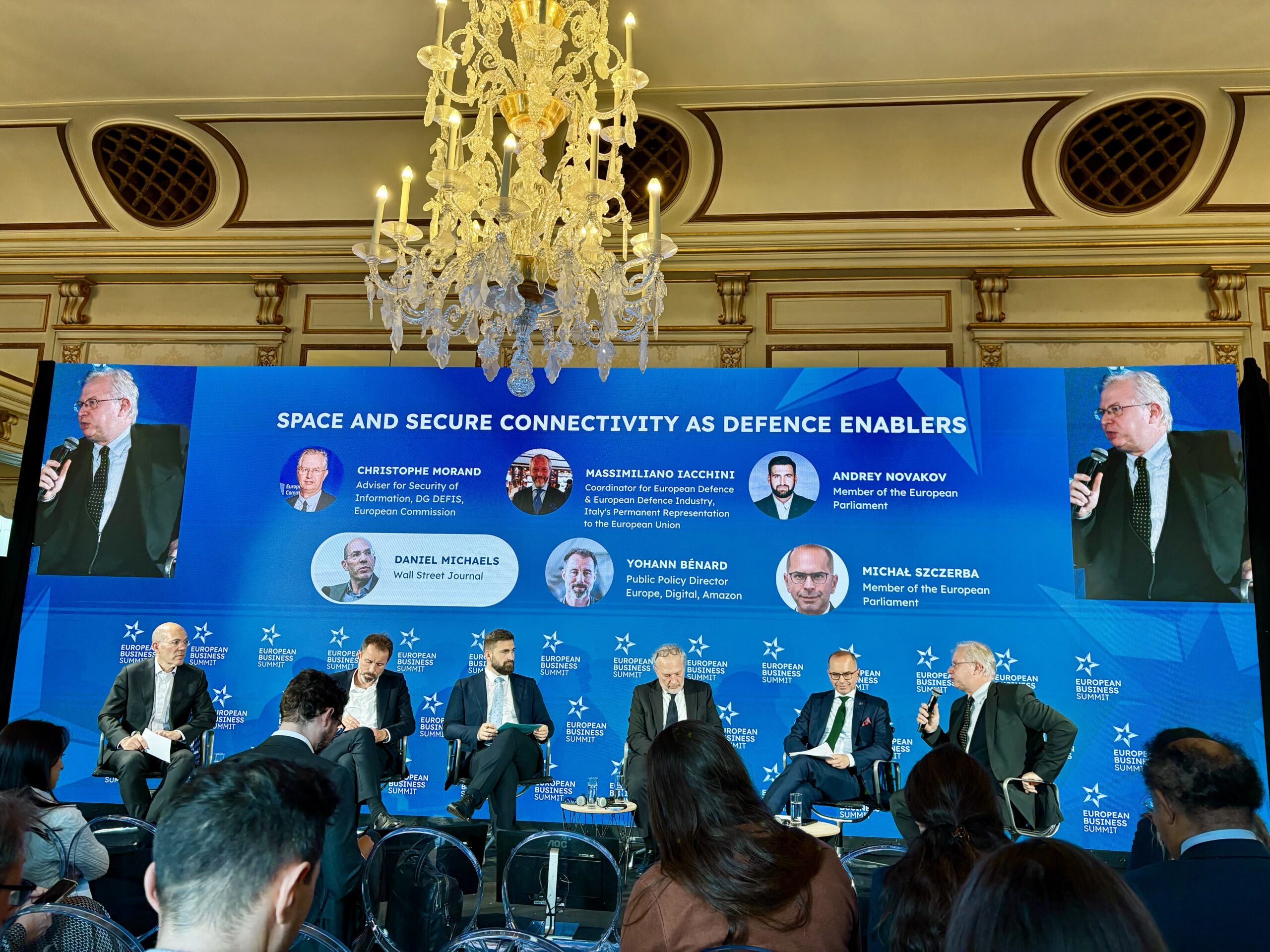
As leaders, policymakers, and executives gather in Brussels for the European Business Summit—an event Pascale-projects.com had the privilege of being invited to attend—one topic is dominating the conversation: how to finally dismantle the “Terrible Ten”—the ten most persistent barriers holding back Europe’s competitiveness, as identified by the European Commission in its Single Market Strategy.
What Are the “Terrible Ten”?
The term refers to the ten most critical regulatory, administrative, and structural bottlenecks that prevent companies and professionals from scaling across EU borders. According to the Commission, removing these obstacles is no longer just a technical exercise; it is an economic imperative to keep Europe competitive alongside global rivals like the United States and China.
Here is a closer look at the ten hurdles on the EU’s hit list:
- Complicated Business Setup and Operations: Starting and running a company across different Member States still involves navigating a maze of national corporate laws. To fix this, Brussels is pushing for a unified “28th regime”—a single, EU-wide corporate framework.
- Overly Complex EU Rules: Overlapping and sometimes contradictory regulations create unnecessary red tape, particularly for small and medium-sized enterprises (SMEs).
- Lack of Member State Ownership: EU directives are only as effective as their national implementation. Delayed or incomplete enforcement by national governments continues to fracture the market.
- Barriers to Recognizing Professional Qualifications: Despite free movement, engineers, architects, healthcare workers, and other skilled professionals still face lengthy bureaucratic hurdles when trying to have their credentials recognized abroad.
- Slow Standard-Setting: Europe’s sluggish pace in establishing unified technical and industrial standards delays innovation and slows down market entry for new technologies.
- Fragmented Packaging, Labeling, and Waste Rules: Diverging national environmental and labeling requirements force companies to customize packaging for individual Member States, driving up costs and complexity.
- Outdated Product Rules and Weak Compliance: Uneven enforcement across borders allows non-compliant goods to enter the market, putting law-abiding European manufacturers at a disadvantage.
- Restrictive National Service Regulations: Services make up the backbone of the EU economy, yet local restrictions still prevent service providers from operating freely across borders.
- Burdensome Rules for Posting Workers: Heavy administrative procedures and compliance costs discourage companies from temporarily sending staff to work on projects in other Member States.
- Territorial Supply Constraints (TSCs): Practices by major suppliers that prevent retailers from sourcing goods in Member States where prices are lower continue to fragment the market and keep consumer prices artificially high.
Why This Matters Now: From Flyers to the Council Table
At this year’s European Business Summit, the consensus is clear: Europe cannot afford a “single market in name only.” With geopolitical shifts, energy transitions, and fierce global competition reshaping the economy, internal fragmentation acts as a self-imposed tariff on European growth.
The urgency of this issue has reached the highest political levels. Notably, Belgian Prime Minister Bart De Wever brought the European Commission’s flyer outlining the “Terrible Ten” directly to the negotiating table at the European Council, underscoring that eliminating these bottlenecks is a top priority for national leaders and European competitiveness alike.
Following the Commission’s stricter proportionality guidelines introduced in 2026 to stop Member States from creating new national barriers, the pressure is now firmly on national capitals to deliver. For businesses, successfully tackling the “Terrible Ten” means lower compliance costs, faster scaling, and genuine access to 450 million consumers.
for more info: European Business Summit https://ebsummits.eu/our-summits/european-business-summit/2026/programme/